
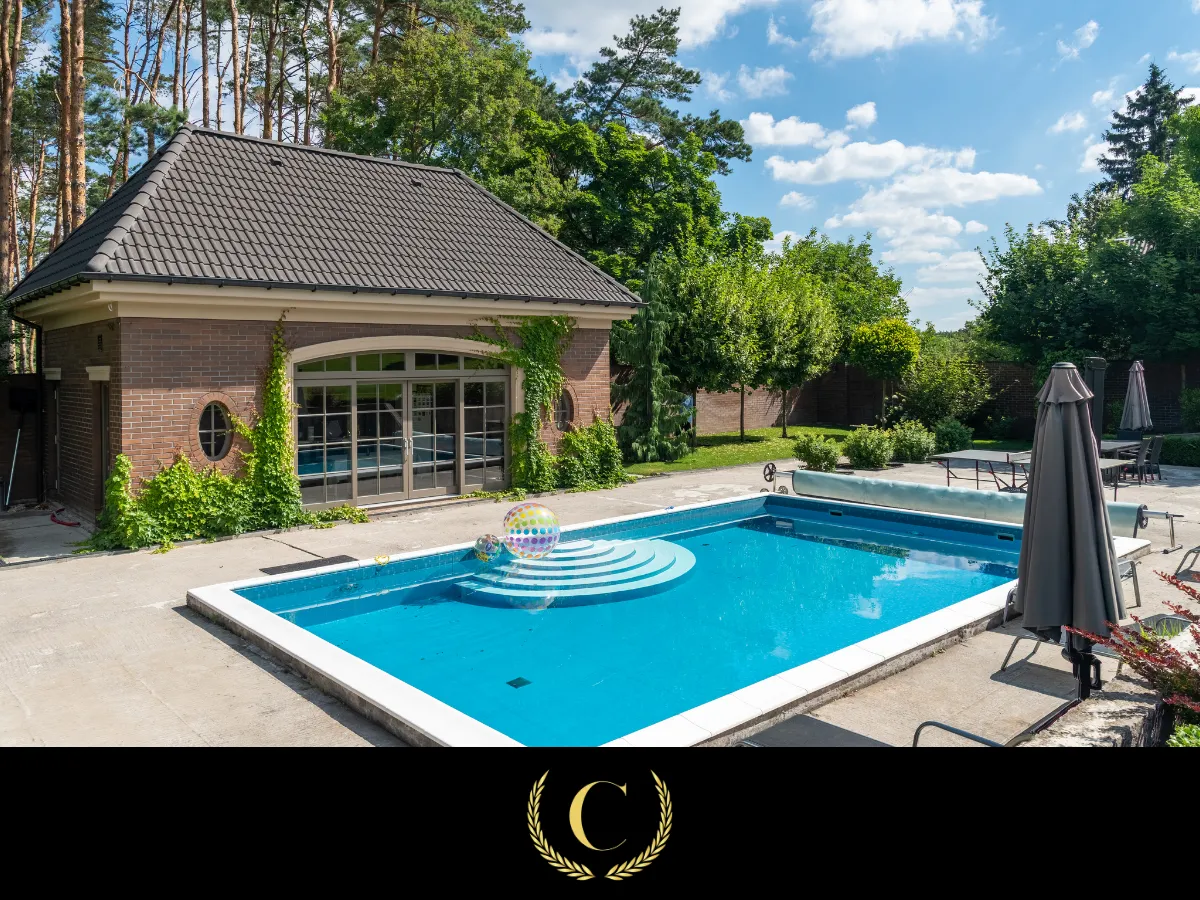
How Pools Increase Home Value in Northern Virginia
Few home improvements spark as much debate as a pool. Some people see it as a luxury that pays for itself in enjoyment. Others worry it will not pay off at resale. The honest answer sits in the middle, and it depends on your home, your neighborhood, and how the pool is designed and built.
If you are weighing pool ROI and home value in Northern Virginia, this guide explains how a pool can affect your home’s value, what buyers respond to, and how to make choices that protect your investment.
Does a Pool Increase Home Value?
A well-designed pool can make a home more appealing and more competitive in the right market, but it rarely returns its full cost in added sale price. Most homeowners should think of a pool as a lifestyle investment first, with a potential resale benefit second.
What a pool can do for value:
Set your home apart. In neighborhoods where few homes have pools, yours stands out in listings and showings.
Attract more buyers. Buyers who want a pool often search specifically for homes that already have one, which can shorten time on market.
Support a higher perceived value. A pool that fits the home and yard often reads as part of a complete outdoor living space.
What a pool cannot do is guarantee a dollar-for-dollar return. Appraisers and buyers weigh pools differently depending on local demand, lot size, condition, and design quality.
What Influences Pool ROI in Northern Virginia
Several factors determine whether a pool helps or hurts your home’s value.
Neighborhood norms. In communities where pools are common among comparable homes, a pool is closer to an expectation. In neighborhoods where they are rare, some buyers see a pool as a bonus and others see it as a maintenance burden.
Lot size and layout. A pool that leaves room for a deck, seating, and green space adds value. A pool that swallows the entire yard can limit appeal, especially for families who want play space.
Climate and season. Northern Virginia has hot, humid summers and cold winters. A pool gets heavy use for part of the year, and features like a spa, heating, and lighting can extend that window and improve how buyers see it.
Design quality. A pool with clean lines, durable materials, and a cohesive landscape looks timeless. Dated finishes, awkward placement, or poor drainage can reduce appeal.
Condition and maintenance. A well-maintained pool with modern equipment is an asset. Cracked surfaces, aging equipment, and neglected landscaping can turn the same pool into a negotiating point.
Permits and code compliance. Unpermitted work is a serious problem at resale. A properly permitted, inspected pool protects you when you sell.
Pool Benefits Beyond Resale Value
For many Northern Virginia families, the real return shows up long before a sale.
Time together. A backyard pool becomes the default gathering place for family and friends.
Health and activity. Swimming is low-impact exercise that works for a wide range of ages.
Staycation value. A pool can replace some travel and make summer weekends at home more appealing.
Entertaining. Pool and patio spaces are built for cookouts, birthdays, and long evenings outside.
Daily enjoyment. The benefit you get every season you own the pool counts as part of the return.
If you plan to stay in your home for many years, the ongoing enjoyment often outweighs the resale question.
Features Buyers Tend to Value
Not every upgrade influences value equally. These features tend to appeal broadly.
Clean, timeless design. Classic shapes and neutral finishes age better than trend-driven looks.
Quality decking and hardscape. Durable, comfortable surfaces make the whole space feel finished.
Efficient equipment. Variable-speed pumps, quality heaters, and automation signal lower running costs.
Good lighting. Pool, step, and landscape lighting add ambiance and safety.
Safety features. Compliant barriers, covers, and alarms reassure families with children.
Landscaping and privacy. Plantings and screening make the pool feel like part of the property.
Spa pairing. A spa extends the usable season and appeals to buyers who want year-round use.
Features That Can Limit Appeal
Some choices make a pool harder to sell.
Highly personal or novelty designs that narrow the pool of interested buyers.
Oversized pools on small lots that leave no usable yard.
Deferred maintenance and visibly aging equipment.
Poor drainage or placement that creates mud, standing water, or neighbor conflicts.
Unpermitted or non-compliant construction.
How to Protect Your Investment
Build it right the first time. Quality construction, proper engineering, and correct permitting protect long-term value more than any single feature.
Design for the home and the yard. The pool should suit your architecture, lot, and how your family lives.
Plan the whole backyard. A pool coordinated with decking, hardscape, and landscaping looks intentional and feels complete.
Choose durable materials. Finishes and equipment that hold up to Northern Virginia weather reduce repair costs and keep the pool attractive.
Keep it maintained. Regular service, clean water, and timely repairs preserve both enjoyment and value.
Keep your paperwork. Permits, inspection records, warranties, and service history all help at resale.
Questions to Ask Before You Build
How do pools affect home values in my specific neighborhood?
Which design choices will age well and appeal to future buyers?
How will the pool fit my lot without crowding the yard?
What will ongoing maintenance and operating costs look like?
What permits and inspections are required, and who handles them?
Can you show completed projects on lots similar to mine?
For a clearer picture of local value, you can also talk with a real estate agent who knows your neighborhood. They can tell you how pools perform among comparable sales nearby.
Why Homeowners Choose Cassella Pools
Cassella Pools is part of the Cassella Design & Build team, which brings together pool construction, hardscaping, and landscaping for homeowners across Northern Virginia. Because the pool and the surrounding outdoor space are designed as one project, the result looks cohesive, functions well, and is built to hold its appeal over time.
Frequently Asked Questions
How much value does a pool add to a home in Northern Virginia?
It varies. A pool can improve appeal and help a home stand out, but it usually does not return its full cost at sale. Local comparable sales are the best guide, and a real estate agent can help you review them.
Is a pool worth it if I plan to sell in a few years?
Often it is better justified by enjoyment than by resale. If selling soon is the main goal, talk with an agent about your neighborhood before you invest.
Can a pool hurt my home’s value?
It can if it is poorly designed, poorly maintained, or out of step with the neighborhood. Some buyers also prefer homes without pools because of cost and upkeep.
Do pools affect property taxes or insurance?
They can. Assessments and insurance requirements vary, so check with your locality and insurance provider before building.
Which pool features give the best return?
Timeless design, quality decking, efficient equipment, good lighting, and safety features tend to have the broadest appeal.
Does a pool make a home sell faster?
In the right market, it can attract motivated buyers who are specifically looking for a pool. Results depend on price, location, and condition.
Ready to Plan a Pool That Fits Your Home?
The best way to understand what a pool could mean for your property is a site visit. We will walk your yard, talk through your goals and budget, and help you design a pool that fits your home and your lifestyle.
Request your free pool design consultation to get started.
