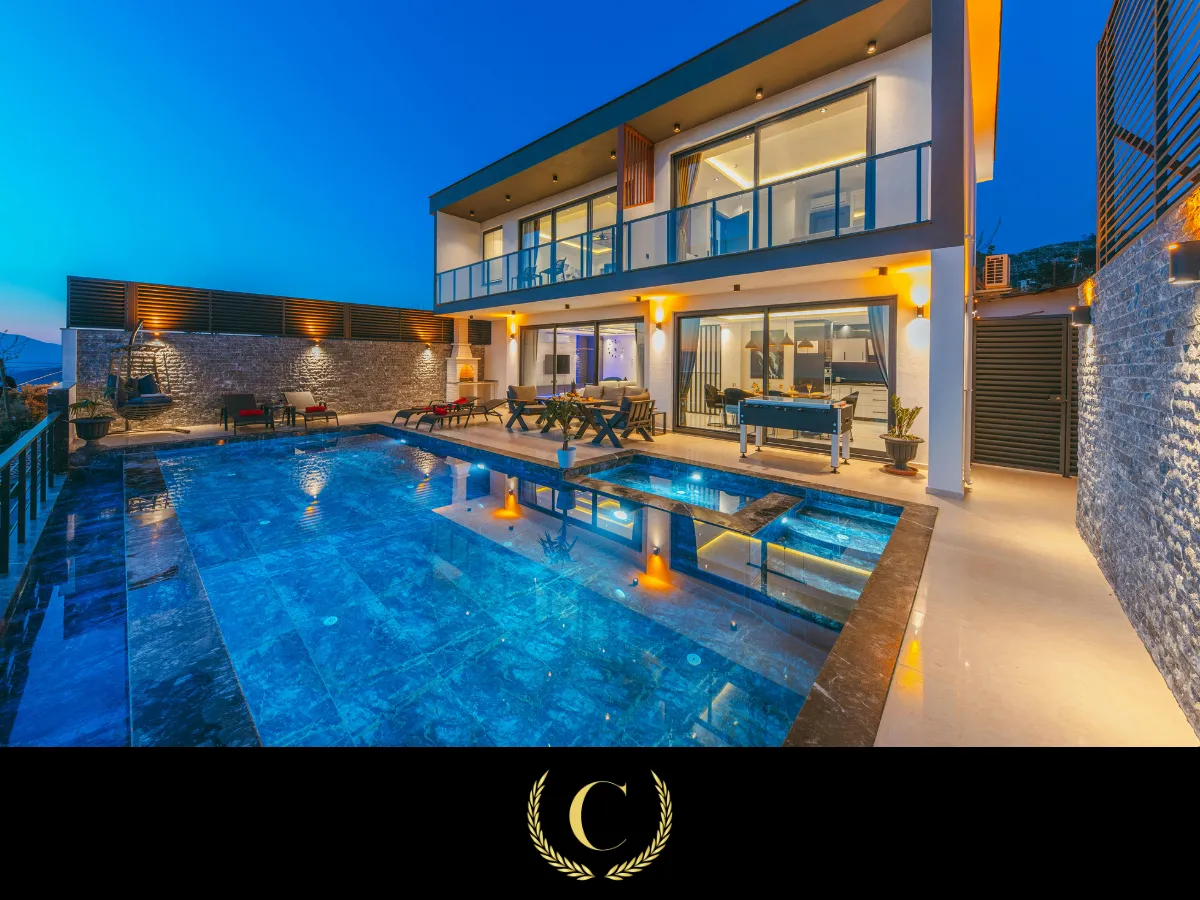
Hot Tubs vs. Swim Spas: Which Is Right for Your Backyard Retreat?
Not every backyard needs — or has room for — a full-size pool. If you're looking for a smaller-footprint way to bring relaxation, recreation, or year-round enjoyment to your outdoor space, hot tubs and swim spas are both excellent options. But they serve pretty different purposes, and choosing the right one comes down to understanding what each is actually built for.
Here's a clear breakdown to help you decide which fits your backyard and your lifestyle.
What Is a Hot Tub?
A hot tub (also called a spa) is a smaller, heated vessel designed primarily for relaxation, hydrotherapy, and socializing. Hot tubs typically feature multiple jets positioned to massage specific muscle groups, comfortable molded seating, and water temperatures generally maintained between 100–104°F.
What hot tubs are best for:
Relaxing after a long day
Soothing sore muscles and joints
Hydrotherapy and recovery
Socializing with family or friends in a smaller, intimate setting
Year-round use, even in colder months
Typical size: Hot tubs generally accommodate 2–8 people and have a much smaller footprint than a pool or swim spa, making them a great fit for smaller backyards, patios, or decks.
What Is a Swim Spa?
A swim spa is a longer, rectangular vessel that combines the relaxation features of a hot tub with the ability to actually swim — using a powerful current system that lets you swim in place against resistance, similar to a treadmill for swimming.
What swim spas are best for:
Swimming and aquatic exercise in a smaller footprint than a full pool
Low-impact cardio and resistance training
Physical therapy and rehabilitation
Combining exercise and relaxation in one feature, since many swim spas include a separate relaxation zone with jets
Year-round use with proper heating, even into the cooler months
Typical size: Swim spas are considerably longer than hot tubs — often 12 to 20+ feet — but still significantly more compact than a traditional pool, making them a smart option for homeowners who want swimming functionality without the space or cost of a full inground pool.
Hot Tub vs. Swim Spa: Side-by-Side
Which One Fits Your Backyard?
Choose a hot tub if:
Relaxation, stress relief, and socializing are your primary goals
You have a smaller yard, patio, or deck space to work with
You want a lower-cost addition that still delivers year-round enjoyment
You're looking for a feature to pair alongside an existing pool
Choose a swim spa if:
You want the ability to swim and exercise without the footprint of a full pool
You're interested in low-impact fitness, aquatic therapy, or rehabilitation
You have moderate yard space but not enough for a traditional pool
You want a feature that works as both a fitness tool and a relaxation retreat
Can You Have Both?
Absolutely — and it's actually one of the most popular combinations we design for Northern Virginia homeowners. A pool paired with an attached or nearby spa gives you the best of both worlds: a place to swim and entertain, plus a dedicated relaxation feature you can use year-round, even when the pool itself is closed for the season.
If you're designing a new backyard from scratch, it's worth discussing with our team whether a combined pool-and-spa layout, a standalone swim spa, or a separate hot tub makes the most sense for your goals and your space.
Built Into Your Complete Outdoor Living Vision
Whether you're adding a hot tub to an existing patio, designing a full pool-and-spa combination, or exploring a swim spa as a space-efficient alternative to a traditional pool, the Cassella Pools team will help you design a feature that fits your backyard, your budget, and how you actually want to use the space.
Call us at (571) 594-6393 to schedule your free consultation. We proudly serve Fairfax County, Loudoun County, Prince William County, Arlington County, and the surrounding Northern Virginia communities.
