
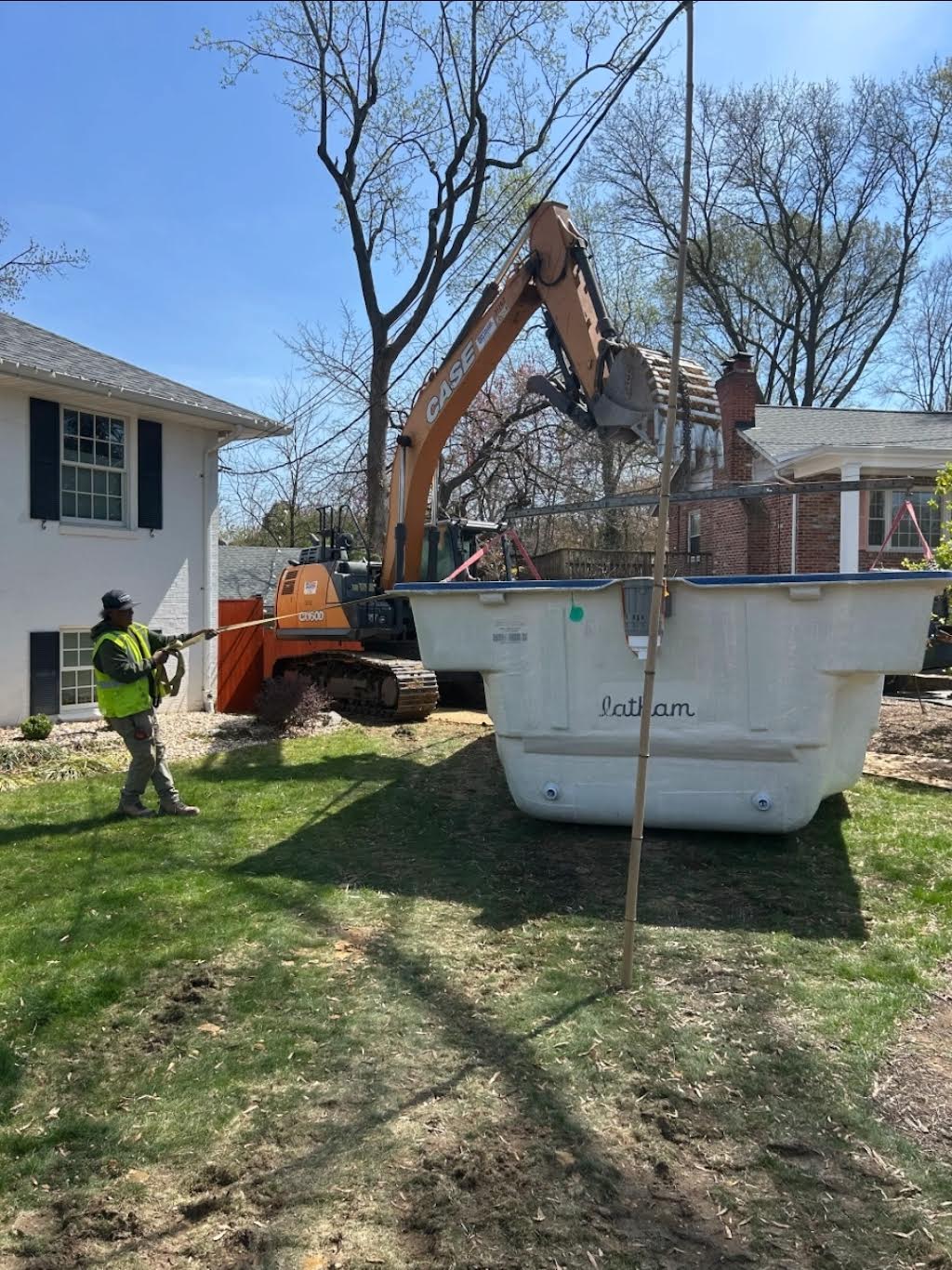
Above-Ground Pool Installation: Costs & Considerations in Northern Virginia
If you’re searching for above ground pool installation in Northern Virginia, you’ve probably already decided a pool is right for your family. Now you need real answers: what will it cost, what does the process involve, and who should you trust to build it?
An above-ground pool is one of the fastest and most affordable ways to add a backyard pool. In Northern Virginia, though, the final price depends on more than the pool itself. Soil, slopes, permits, fencing rules, and electrical work all shape the budget. This guide covers what to expect so you can plan with confidence.
How Much Does Above-Ground Pool Installation Cost in Northern Virginia?
Most above-ground pool projects in the region fall into three broad tiers. These are general planning ranges, and your final quote will depend on your property and the pool you choose.
Labor costs in the Northern Virginia market, including Arlington, Fairfax, Loudoun, and Prince William counties, tend to run higher than national averages. That is why a pool-only price from an online retailer rarely matches the real, installed cost.
What Drives the Price
Pool size and shape. A 15-foot round pool costs far less than a 24-foot round or a large oval. Bigger pools need more material, more excavation or leveling, and more labor.
Wall and frame construction. Steel, resin, and aluminum-based frames differ in durability and price. Resin and heavier-gauge options generally cost more up front but hold up better against moisture and our humid summers and freezing winters.
Site preparation. Northern Virginia yards are rarely perfectly flat. Grading, retaining work, tree removal, or hauling away soil can add significantly to the total. A pool needs a level, stable base, and shortcuts here lead to problems later.
Decking. A deck makes an above-ground pool feel like a true backyard feature. Pressure-treated wood is the most economical, while composite costs more but needs less maintenance.
Equipment. Pump, filter, skimmer, and sanitation choices vary. Saltwater systems and variable-speed pumps cost more up front but can lower long-term operating costs and maintenance effort.
Electrical work. Pool equipment must be properly wired and bonded by a licensed electrician. This is a safety requirement, not an optional upgrade.
Fencing and safety barriers. Depending on your locality, you may need a compliant barrier around the pool or yard. This can be a meaningful line item.
Permits and inspections. Fees and requirements vary by jurisdiction.
Permits and Safety Rules in Northern Virginia
Don’t assume an above-ground pool is exempt from permitting. Most Northern Virginia localities regulate pools above a certain water depth, and many require a building permit, electrical permit, zoning review, and inspections.
Common requirements to expect:
Setbacks. Pools usually must sit a minimum distance from property lines, structures, and utility easements.
Barrier requirements. Virginia’s residential code addresses barriers around pools. Some above-ground pools can use their walls as part of the barrier if ladders or steps are removable or lockable, but the details depend on pool height and local rules.
Electrical bonding and GFCI protection for pumps, lights, and nearby outlets.
HOA approval. Many Northern Virginia neighborhoods require architectural review before installation. Start this early, because it can take weeks.
Rules differ between Arlington, Fairfax County, Loudoun County, Alexandria, and other jurisdictions, so confirm the current requirements with your local building office. A good pool builder handles the permit process for you and knows what each jurisdiction expects.
What the Installation Process Looks Like
Knowing the steps helps you judge whether a contractor’s timeline and quote are realistic.
Consultation and site visit. The builder evaluates your yard, access, slope, utilities, and sun exposure, then discusses pool options and budget.
Design and quote. You receive a written scope that should include the pool, equipment, site work, electrical, permits, and any deck or fencing.
Permits and approvals. Your builder submits plans to the locality, and you handle HOA approval if applicable.
Site preparation. The area is marked, cleared, excavated or leveled, and prepared with a stable base.
Pool assembly. Walls, frame, liner, and structural components are installed.
Plumbing and electrical. Equipment is installed and connected to code.
Fill and startup. The pool is filled, balanced, and tested.
Decking, fencing, and finishing. Any surrounding features are completed and inspected.
Walkthrough. You get a tour of the equipment and maintenance basics.
Many above-ground pools can be installed in a matter of weeks once permits are approved, but decks, grading, and weather can extend that timeline.
Key Considerations Before You Buy
Think about the long game. An above-ground pool can last many years with proper care, but liners eventually need replacement and equipment needs maintenance. Ask what warranties apply and what ongoing costs to expect.
Plan for Northern Virginia weather. Hot, humid summers and cold winters affect pool materials, water chemistry, and winterization. Ask your builder about winter covers and closing procedures.
Consider semi-inground options. Some homeowners want the look and feel of an inground pool without the full cost. A semi-inground or partially recessed design can be a middle path, though it requires more excavation and engineering.
Check how the pool fits your landscape. A pool surrounded by a deck, plantings, and hardscape looks intentional and adds more enjoyment than one dropped in the middle of a lawn. This is where working with a design-build team pays off.
Be honest about your budget. The pool is only part of the cost. Build in a cushion for site conditions, upgrades, and finishing touches.
How to Choose a Pool Builder Near You
Searching “pool builders near me” will give you plenty of names. These questions help separate qualified builders from risky ones.
Are they licensed and insured? Ask for proof of the appropriate Virginia contractor license and liability coverage.
Do they pull permits? Be cautious of anyone who suggests skipping permits.
Is the quote detailed and in writing? Vague scopes lead to surprise charges.
Do they have local experience? Northern Virginia soils, slopes, and jurisdictions have quirks that experienced local crews understand.
Can they show completed projects and references?
Who handles the surrounding work? A builder who can also handle decking, hardscape, and landscaping gives you one point of accountability.
What does the warranty cover, and who services it?
Why Homeowners Choose Cassella Pools
Cassella Pools is part of the Cassella Design & Build team, serving homeowners across Northern Virginia. Because pool installation, hardscaping, decking, and landscaping can all be coordinated under one roof, your project is planned as a complete outdoor space rather than a pool with a patchwork of vendors around it.
You can expect a clear written proposal, help navigating permits and local requirements, and a team that understands the site challenges common to Northern Virginia properties.
Frequently Asked Questions
How long does above-ground pool installation take?
Once permits are approved, the pool itself can often be installed in a few weeks. Timelines grow when you add decking, grading, or fencing, and permit approval can take additional time depending on the locality.
Do I need a permit for an above-ground pool in Northern Virginia?
In most localities, yes, at least for pools above a certain depth. Requirements vary by jurisdiction, so confirm with your local building office or ask your builder to handle it.
Do I need a fence?
Safety barrier rules apply to most pools, and details depend on the pool and your locality. Your builder can explain what applies to your property.
Can an above-ground pool be installed on a sloped yard?
Often yes, but it requires proper grading, and sometimes retaining work, to create a level, stable base. This is one of the biggest cost variables.
Is an above-ground pool a good value?
For many families, yes. It offers a faster, lower-cost route to a backyard pool than an inground build, especially when paired with a well-designed deck and landscaping.
What is the best time of year to install?
Many homeowners start planning in late fall or winter so permits and scheduling are settled before swim season. Installation is possible in many months, depending on weather and ground conditions.
Ready to Plan Your Pool?
If you’re comparing pool builders in Northern Virginia, the best next step is a site visit. We will look at your yard, talk through your goals and budget, and give you a clear written estimate with no guesswork.
Request your free pool consultation or call us to get started.
